Driving Plates in Virtual Production: How Car Scenes Get Shot on an LED Wall
Driving scenes can make a car spot stand out by showing a vehicle in its best light — or add visual movement and action to an otherwise ordinary...

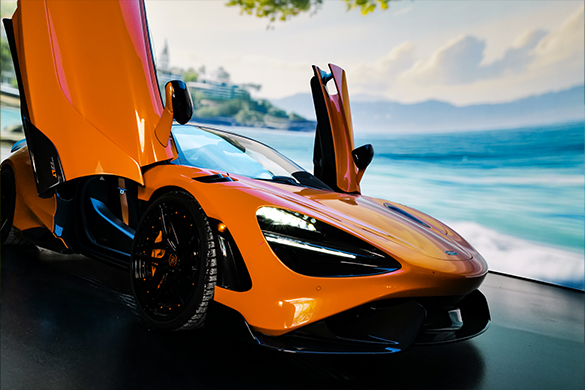
Every producer knows the balancing act: creative ambition on one side, schedules and budgets on the other. Virtual production has changed that equation, giving filmmakers more freedom than ever to turn imagination into on-camera reality.
At the center of this shift are two powerful tools: green screens and LED walls. Each offers a different path to the shared goal of building believable worlds without leaving the studio.
Green screens deliver post-production flexibility and familiar workflows. LED virtual production, on the other hand, captures final-pixel results live on set, allowing directors and DPs to see the finished shot unfold in real time. Choosing between them isn’t just a technical call—it’s a creative one. And at Forge Virtual Studios, we’re here to help you find the setup that fits your vision, workflow, and budget.
For decades, green screen production has been the go-to technique for creating entire worlds from the comfort of a studio. By filming subjects against a solid background—usually bright green or blue—editors can replace that color in post-production with virtually any environment imaginable.
This process, known as chroma keying, has powered everything from Hollywood blockbusters to news broadcasts and video-game cinematics. Green is most common because it contrasts sharply with skin tones, while blue is used when wardrobe or props contain green hues.
Success starts with a carefully controlled environment. A smooth, evenly lit backdrop and balanced exposure are essential for a clean key and believable composite later. Professional lighting setups help avoid shadows and color spill, ensuring the final image looks crisp and natural.
At Forge Virtual Studios, we understand how traditional techniques fit into modern virtual workflows. We help creators leverage the strengths of green screen production while preparing for the next step—integrating real-time LED technology when the moment is right.
The future of filmmaking is being written in light. LED virtual production stages are transforming how stories are made by replacing flat backdrops with immersive, living environments that respond in real time. Instead of imagining the world beyond the lens, filmmakers can now step directly inside it.
Inside an LED virtual production studio, massive high-resolution screens display photorealistic 3D environments powered by real-time rendering engines like Unreal Engine. These environments react instantly to camera movement and lighting cues, letting directors and DPs compose shots exactly as they’ll appear in the final edit.
For producers, this means faster workflows and more creative control. LED walls for virtual production are becoming the preferred choice across film, television, and live broadcast for a few key reasons:
While LED volume virtual production requires more upfront investment and planning, it pays off in efficiency. Pre-production replaces post-production, saving valuable time and cost down the line. And by bringing every location to the studio, you gain full creative control—over light, weather, and every detail of the world on screen.
At Forge Virtual Studios, we believe this shift isn’t just about technology—it’s about freedom. It’s about giving storytellers the ability to capture their vision exactly as they see it, with the tools and partnership to make it real.
Choosing the right technology between LED wall vs green screen shapes every part of your production from workflow to timeline to the final look. Both technologies can create incredible results, but each shines in different ways. Our goal at Forge Virtual Studios is to help you find the right balance for your story, your schedule, and your budget.
Both green screen backdrops and LED walls offer incredible opportunities, but their strengths align with different goals, budgets, and workflows.
| Feature | Green Screen Studio | LED Wall |
|---|---|---|
| Upfront Cost | Lower initial investment | Higher initial investment |
| Setup Complexity | Simpler setup, but requires meticulous lighting | Technically complex setup requiring specialized crew |
| Creative Flexibility | Maximum flexibility in post-production | Creative decisions are made in pre-production and on set |
| Lighting | Requires extensive, separate lighting for both screen and talent | The wall itself acts as a dynamic light source for the scene |
| On-Set Experience | Actors perform against a blank canvas | Immersive environment for actors, fostering natural performance |
| Post-Production | Heavy post-production workload (keying, compositing) | Significantly reduced post-production, with effects in-camera |
| Reflections | A major challenge; shiny surfaces reflect green | A major advantage; provides realistic, in-camera reflections |
It’s important to remember that you don’t always have to choose one technology exclusively over the other. Many productions are now embracing hybrid approaches that blend green screens with LED walls, leveraging the unique strengths of each to suit different shots or scenes.
For instance, you may use LED walls for complex, interactive lighting in action sequences, while utilizing green screens for supplemental set extensions or VFX shots that require more flexibility in post-production. This allows for a tailored, solution-driven workflow that can maximize both creative and budgetary resources.
When budget constraints are top of mind, green screen production often stands out as the more accessible and cost-effective solution, especially for projects with extensive VFX or evolving creative needs. It offers lower upfront equipment costs and greater flexibility to refine the look in post.
On the other hand, while the virtual production LED wall has a higher initial investment, it can ultimately save on location fees, reduce the need for reshoots, and minimize lengthy post-production work. This makes it an attractive option for productions where efficiency and on-set control are high priorities.
Ultimately, the ideal path may be a combination unique to your vision, project scale, and resources—empowering you to harness the best of both worlds for a truly remarkable result.
Get a clear, production-focused breakdown of LED volume stages. Understand how they impact lighting, scheduling, and what you can realistically achieve before you commit to a shoot.
Today, the question isn’t green screen versus a virtual production LED wall—it’s about how to get the best of both worlds, seamlessly. And when you shoot at Forge Virtual Studios, that balance is made possible through advanced hybrid solutions designed for flexibility, speed, and creative control.
One standout example is our Phantom Track technology, powered by RED V-Raptor X cameras. This innovative system captures both a green screen pass and a “final pixel” LED wall pass simultaneously. By alternating between frames of virtual content and solid green at double the frame rate, productions receive two separate R3D files—one ready for VFX and another for immediate delivery.
Phantom Track advantages:
This hybrid approach offers the realism and immediacy of LED virtual production with the adaptability of green screen post. It’s about more than technology; it’s about empowering your story. At Forge, we work beside you to find the most efficient, creative, and cost-effective path forward—so your production runs smoother, faster, and smarter.
Choosing between a green screen and an LED virtual production stage isn’t always simple—and it shouldn’t be a decision you make alone. At Forge Virtual Studios, we’re not just a space to shoot; we’re a creative partner invested in your success. Our goal is to help you navigate your options with confidence and clarity.
It starts with a conversation. We listen to your goals, your story, your budget, and your timeline, then build a production plan around what matters most to you. Whether your project demands the post-production flexibility of a green screen production or the real-time magic of an LED virtual production studio, we tailor the solution to fit.
Our support doesn’t stop once the cameras roll. We collaborate with you through every phase—from pre-production setup to on-set assistance and post-production refinement. For some clients, that means designing hybrid workflows that blend LED walls for virtual production with green screen elements to unlock new creative efficiencies.
At Forge, partnership is more than a promise—it’s how we work. We bring the people, the process, and the technology together so go all-in on telling your story.
The journey from a creative spark to a finished project is a path of transformation, and choosing the green screen vs LED wall (or both) can massively impact your route.
At Forge Virtual Studios, we exist to help creators bring bold ideas to life through the right blend of tools, technology, and teamwork. Whether you need the flexibility of a green screen setup or the immersive realism of LED virtual production, we’ll guide you toward a solution that fits your vision, timeline, and budget.

Driving scenes can make a car spot stand out by showing a vehicle in its best light — or add visual movement and action to an otherwise ordinary...
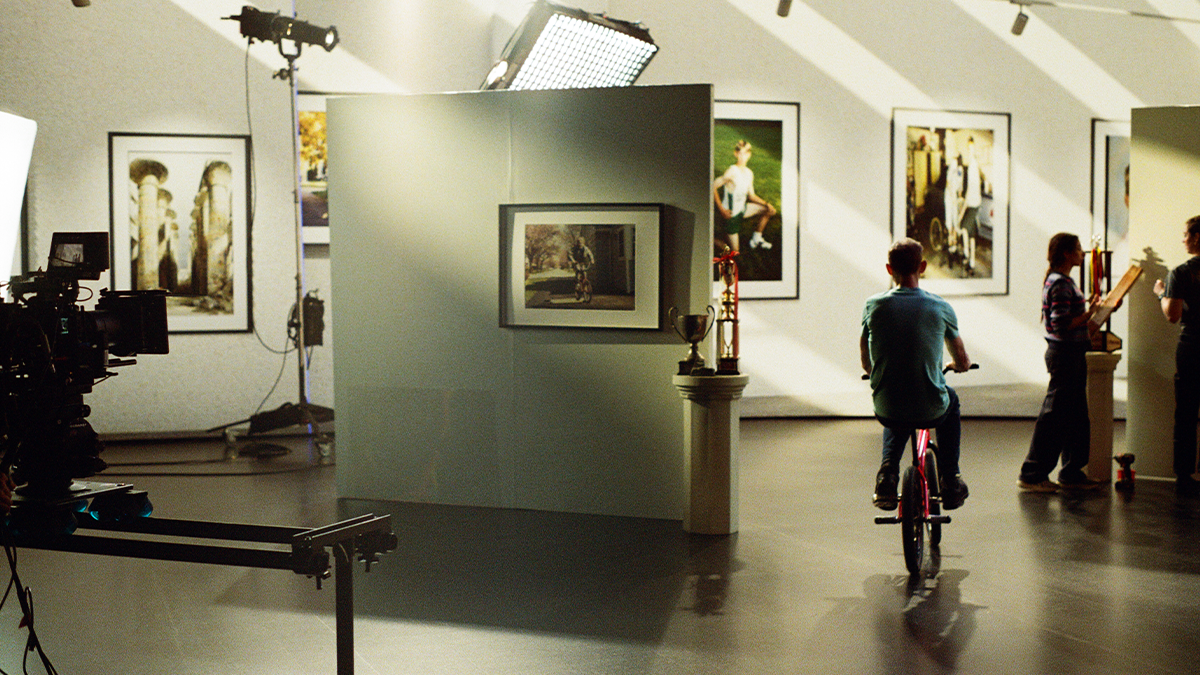
Light-emitting diode (LED) volumes revolutionize what filmmakers can achieve, but this process isn't automatic. The work put in by art directors...
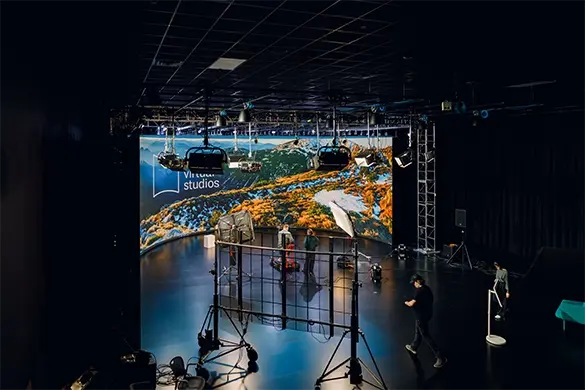
Brands face intense pressure to keep up with always-on social media feeds while differentiating themselves from the competition. Many of these brands...