Driving Plates in Virtual Production: How Car Scenes Get Shot on an LED Wall
Driving scenes can make a car spot stand out by showing a vehicle in its best light — or add visual movement and action to an otherwise ordinary...


Virtual reality (VR) is no longer just an immersive experience for audiences—it’s becoming one of the most powerful tools shaping how stories are made. This technology is driving major advances in virtual production, transforming workflows throughout the process from pre-visualization to post-production.
What was once experimental is now essential: VR filmmaking allows directors, DPs, and production teams to visualize entire scenes, environments, and camera movements before a single frame is shot.
By integrating VR in film industry production, creators gain the ability to step inside their digital sets, test lighting and composition in real time, and make creative decisions faster and with greater precision. This blurs the line between pre-production and live filming, creating an adaptive, interactive process that enhances storytelling at every stage. This gives teams the freedom to experiment and collaborate in ways traditional methods couldn’t support.
Equally important, VR is democratizing access to high-quality production tools once reserved for major studios with massive budgets. Independent filmmakers and small production houses can now craft visually stunning, complex worlds with a fraction of the time and resources.
As virtual reality becomes increasingly integrated into film production, the technology isn’t just improving production pipelines—it’s unlocking new creative frontiers and changing the very language of filmmaking itself.
Behind every breathtaking VR-driven scene is a network of advanced tools that make this kind of production possible. A combination of software and hardware works in orchestration to engineer immersive, dynamic environments that expand what’s creatively achievable. From headsets to rendering engines to motion tracking systems, each component plays a vital role in powering the virtual production techniques that unlock new dimensions of storytelling.
Advanced virtual reality headsets are at the forefront of this evolution. These devices immerse filmmakers, directors, and even actors in computer-generated environments that they can explore and manipulate in three dimensions.
Rather than viewing a flat pre-visualization on a screen, VR headsets all creatives to step directly into a virtual world—examining scale, depth, lighting, and movement as though they were physically present on set. This deep level of immersion helps refine creative decisions early in production, reducing costly revisions and enabling precise artistic control.
Equally crucial are real-time rendering engines, such as Unreal Engine. These ultra-powerful platforms generate photorealistic visuals on the spot, eliminating the delays of traditional post-production rendering. Artists can adjust lighting, textures, and environmental effects instantly, previewing final-quality results in real time. This immediacy enhances creative collaboration and allows directors to adapt scenes fluidly during shooting.
Complementing these systems are motion tracking technologies, which synchronize camera movements with virtual elements. This ensures that when the camera shifts in the physical studio, the digital environment shifts perfectly in sync. The result is a fusion of virtual sets and real-world elements that preserves spatial accuracy and realism. Actors perform and interact naturally with virtual objects, and directors can choreograph complex shots where the virtual and physical worlds align flawlessly.
Together, these technologies make it possible to build believable, richly detailed worlds that feel tangible to both creators and audiences. They accelerate virtual film production timelines, enhance flexibility on set, and allow storytellers to experiment without constraint.
Virtual reality is rewriting the rules of filmmaking. By merging human creativity with digital precision, VR empowers filmmakers to think bigger, move faster, and tell stories that feel more alive than ever before. From the first storyboard to the final frame VR cinematography is transforming the entire creative process.
VR gives storytellers something they’ve always wanted: the ability to step inside their own imagination. With VR cinematography, filmmakers can scout virtual locations, block shots, and experiment with camera angles before arriving on set. Every creative decision becomes a hands-on experience.
This capability doesn’t just save time; it expands what’s possible. Worlds that once required massive sets or post-production VFX can now be built, lit, and explored digitally in real time. The result is a new form of visual storytelling. It’s one that invites creators to chase ideas once considered too ambitious, and audiences to experience cinema that feels immersive, tangible, and emotionally rich.
Filmmaking has always been a balance between creativity and logistics. VR tips that balance toward creativity. Virtual environments eliminate the need for costly set construction, long travel schedules, and endless permitting. Scenes can shift from mountain peaks to cityscapes with a few clicks, keeping teams agile and budgets under control.
Because VR operates in real time, changes that once took days now happen instantly. Directors can test lighting setups, reframe shots, or redesign entire environments mid-scene. This level of responsiveness streamlines production while preserving the artistry that makes filmmaking magic.
In virtual production, VR brings every department into the same space—literally. Directors, DPs, designers, and VFX artists can walk the same digital set together, seeing and shaping it collaboratively. That shared vision strengthens communication and shortens feedback loops, helping teams solve creative challenges on the spot instead of in post.
Forge’s own approach to collaboration mirrors this philosophy: when creators can explore ideas together, the results are more inspired.
Perhaps the most human benefit of all comes through augmented reality in cinema. Actors can see and respond to the environments around them instead of imagining them. They can feel the scale, see the lighting shifts, and react naturally within a virtual world that behaves like the real one. Performances are more grounded, direction is more intuitive, and every take feels more alive.
VR and AR together deliver creative control without creative compromise. They replace limitations with possibilities, making filmmaking less about what can’t be done and more about what should be. They’re an unbeatable combo for storytellers ready to experiment, iterate, and dream beyond what’s possible.
Even the most forward-thinking filmmakers know that innovation comes with growing pains. As VR filmmaking and other virtual production solutions become more integral to the industry, teams are encountering a new set of challenges—some technical, some creative, all solvable with the right strategy and partnership.
The key isn’t avoiding these obstacles, but understanding how to adapt so technology enhances, rather than complicates, the creative process.
The first hurdle is often hardware. VR technology demands exceptional computing power, accurate tracking, and smooth real-time rendering—requirements that can push standard production setups to their limits. But when integrated with an LED virtual production stage, many of these constraints disappear.
LED volumes, especially those built with high-resolution pixel pitch panels, bring VR environments to life with incredible realism. Rather than working inside a headset or green screen environment, filmmakers can see their virtual worlds projected around them, in-camera, with natural lighting and reflections that behave exactly as they would in reality.
Investment in high-quality equipment and infrastructure pays off through more seamless workflows, consistent performance, and reduced reliance on post-production. Still, this technology is only as effective as the people operating it.
Training remains one of the most crucial pieces of the puzzle. As the tools evolve, so must the teams using them. Many studios—including Forge—prioritize immersive, hands-on training that helps crews learn through doing, building confidence with camera tracking, real-time rendering, and on-set collaboration. This approach turns what might feel like technical barriers into new creative skill sets.
Speaking of creative skills, virtual reality may introduce some unintended friction. For directors and DPs accustomed to traditional production, virtual environments can be disorienting or seem overly technical at first. Yet this challenge is often short-lived.
Virtual production studios actually offer more flexibility than physical sets ever could: cameras can move freely through digital environments, lighting can change instantaneously, and entire scenes can be rebuilt or resized in minutes. With proper pre-visualization and planning, the virtual world becomes an extension of the director’s imagination rather than a block.
The real magic happens when these technologies converge—when LED volumes, motion tracking, and real-time rendering operate in perfect sync. On a technical level, this integration ensures that camera movements align flawlessly with virtual scenery, maintaining spatial accuracy and realism. On a creative level, it enables actors and directors to perform within immersive environments that respond naturally to light, perspective, and motion. For filmmakers, that means fewer surprises in post-production and more time spent refining the story itself.
Ultimately, navigating the challenges of VR-augmented production comes down to collaboration. Partnering with an experienced virtual production studio ensures that technology supports creativity, not the other way around. By combining cutting-edge tools with expert guidance and thoughtful planning, filmmakers can turn technical obstacles into creative advantages.
VR has evolved from an experimental tool to a creative catalyst. For filmmakers and cinematographers, adopting virtual videography tools and techniques isn’t just about keeping pace with technology. It’s a rare chance to unlock an entirely new visual language. From pre-visualization and real-time collaboration to LED stage integration, VR empowers creators to work smarter, faster, and with more creative control than ever before.
Those who embrace this technology early gain a clear edge in an industry that rewards innovation. With the right virtual production solutions, filmmakers can deliver more immersive, efficient, and visually striking projects that stand apart in a crowded marketplace.
At Forge Virtual Studios, we’re proud to help creators harness the full potential of VR-powered storytelling. Our team combines technical expertise, cutting-edge tools, and a collaborative spirit that ensures your vision shines through every frame.

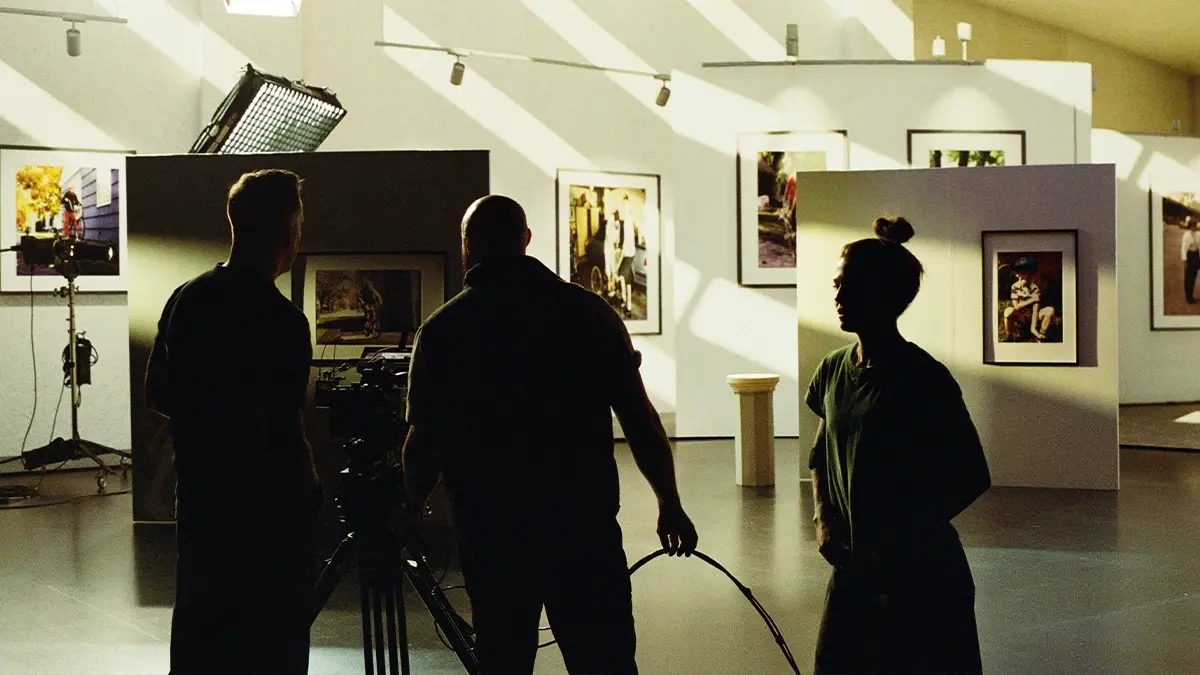
Driving scenes can make a car spot stand out by showing a vehicle in its best light — or add visual movement and action to an otherwise ordinary...
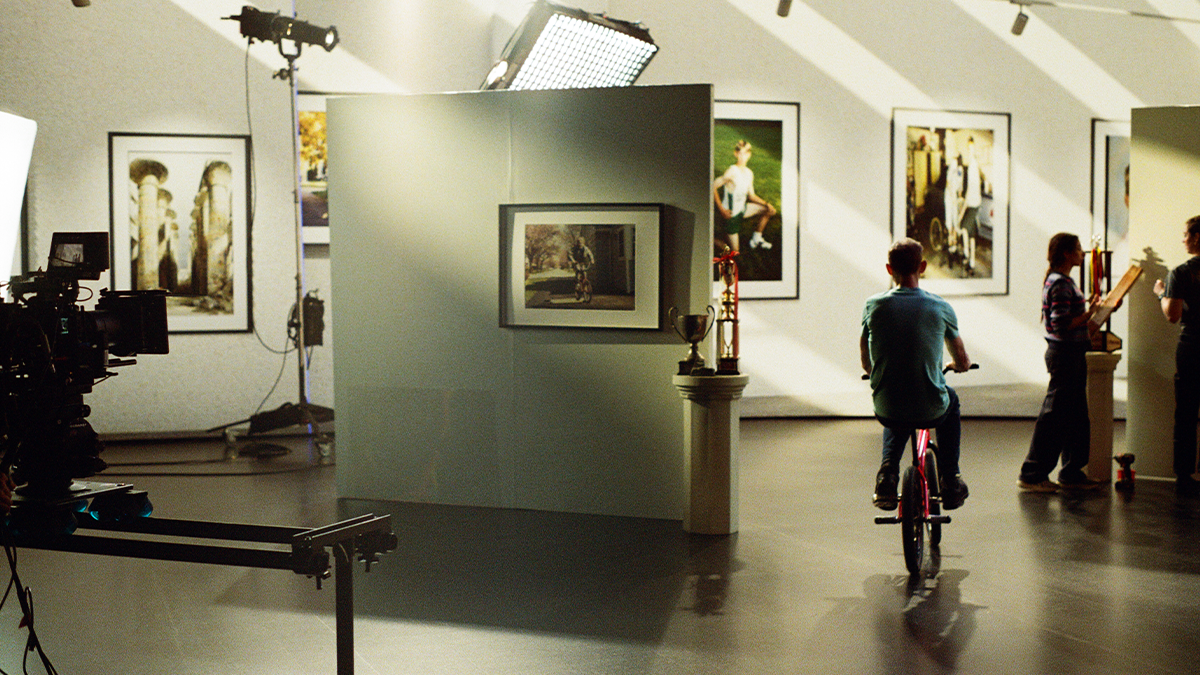
Light-emitting diode (LED) volumes revolutionize what filmmakers can achieve, but this process isn't automatic. The work put in by art directors...
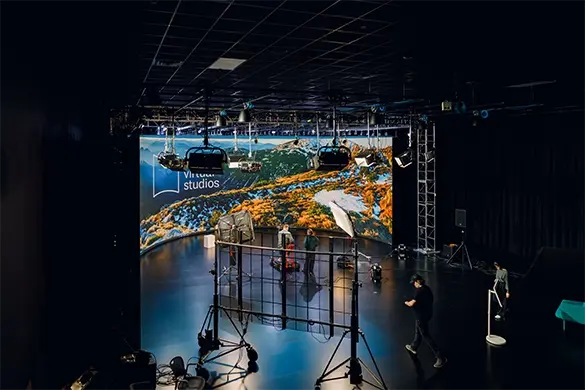
Brands face intense pressure to keep up with always-on social media feeds while differentiating themselves from the competition. Many of these brands...