Driving Plates in Virtual Production: How Car Scenes Get Shot on an LED Wall
Driving scenes can make a car spot stand out by showing a vehicle in its best light — or add visual movement and action to an otherwise ordinary...

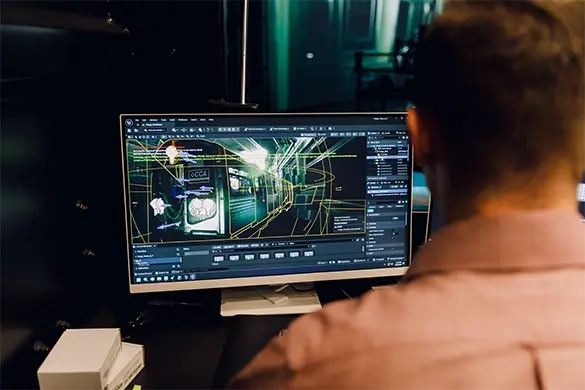
Real-time rendering is leading the transformation of today’s filmmaking landscape. Once confined to post-production, rendering now happens instantly—and it’s reshaping how creators plan, shoot, and visualize their stories. This breakthrough in virtual production technology allows teams to generate and interact with complex digital environments in real time, merging artistry with efficiency in ways traditional workflows simply couldn’t achieve.
At its core, real-time rendering is the ability to create and visualize intricate digital worlds instantly, eliminating the long wait times that once separated creative vision from on-set reality. For producers and filmmakers up against classic production challenges, such as logistical hurdles, tight budgets, or rigid timelines, this advancement offers something invaluable: control.
By delivering immediate, photorealistic feedback, real-time rendering lets directors and cinematographers make lighting, composition, and performance decisions on the spot. Even better, they can see the final shot unfold on set, in real time.
The result is a faster, more collaborative, and more imaginative workflow. Creative teams can experiment freely, bridging the gap between virtual and physical sets without compromising quality or schedule. And in many ways, advances in real-time rendering have turned virtual production stages into living, breathing ecosystems. They’re becoming accessible, adaptive spaces where creativity can thrive unbound by traditional production limits.
The process of real-time 3D rendering merges live-action performance with digitally generated environments without the traditional lag of post-production rendering. This innovation has transformed how directors and visual effects teams collaborate, removing the guesswork from creative decision-making. While it can seem like magic, behind modern virtual production technology lies a sophisticated system of hardware and software working in perfect harmony.
At the heart of real-time rendering are powerful game engines like Unreal Engine and Unity, which serve as creative hubs for virtual production. Originally designed for interactive entertainment, these platforms have evolved into industry-standard tools for building and rendering photorealistic 3D model environments in real time.
They allow artists to manipulate lighting, textures, and environmental effects on the fly, instantly visualizing complex worlds that react dynamically to camera movement and performance. In essence, these engines serve as a digital stage.
Achieving cinematic realism in real-time environments depends on advanced rendering techniques that simulate how light behaves in the real world:
Together, these techniques deliver the visual fidelity necessary to make virtual environments indistinguishable from practical sets.
Equally critical is the virtual production equipment that makes this integration possible. Real-time rendering demands immense computing power—far beyond what a standard workstation can handle. High-performance graphics processing units (GPUs) are essential, enabling billions of calculations per second to maintain seamless playback and interaction at cinematic resolution.
Surrounding the virtual set, massive LED virtual production stages (also known as LED volumes) display these digital worlds at full scale, immersing talent and crew within the environment.
Sophisticated camera tracking systems such as Stype or OptiTrack synchronize physical camera movements with their digital counterparts. This ensures every pan, tilt, and focus shift translates flawlessly between real and virtual space.
Together, these components form the foundation of virtual production software and hardware integration. It’s an art and a science—a precise orchestration of computation, visualization, and artistry. The result is an ecosystem that’s transforming the filmmaking process from a linear sequence into a fluid, interactive experience.
The integration of real-time rendering across the virtual production pipeline has completely redefined how filmmakers plan, shoot, and deliver their projects. From pre-visualization to final delivery, real-time rendering accelerates timelines, reduces costs, and—most importantly—unlocks new levels of creative freedom within the virtual production studio.

Previsualization, or previs, has always been a critical stage in bringing a creative vision to life. Traditionally, directors and cinematographers relied on static storyboards or rough animatics to conceptualize scenes. Today, advances in real-time rendering allow these early visuals to evolve into fully realized, interactive 3D scenes. Instead of imagining how a shot might look, filmmakers can explore and experiment in their virtual realities.
This capability massively reduces uncertainty. Directors can refine blocking and composition before the first day of shooting, while DPs can test lighting setups that mimic real-world physics. This both enhances creative alignment and prevents costly revisions later in the process. When everyone can see and interact with the same live 3D scene, collaboration becomes faster, clearer, and more inspired.
Once production begins, real-time rendering continues to deliver value by giving filmmakers complete creative control on set. With real-time VFX integrated into LED volumes, you can manipulate entire environments instantly. Change the time of day, alter the weather, or redesign the background with just a few clicks, versus days or even weeks of post-production work.
But it’s not just the crew that benefits from this efficiency. Actors can see and react to the virtual world surrounding them, rather than imagine what’s behind a green screen. This translates into live action footage with more natural, authentic performances, elevating the entire production. Plus, the combination of practical lighting from the LED walls and interactive digital environments ensures visual consistency, enabling the director to capture high-quality shots without needing to “fix it in post.”
Perhaps the most transformative impact of real-time rendering is its ability to merge production and post-production into a single, seamless workflow. By capturing final-pixel shots directly in-camera, the need for extensive compositing, chroma keying, or background replacement is drastically reduced. The virtual production VFX visible on the LED volume during filming are often the same ones that appear in the finished product.
This “what you see is what you get” approach shortens turnaround times, allowing editors and VFX artists to focus on refinement rather than reconstruction. Months of rendering and integration can now happen in a fraction of the time—without compromising visual quality.
Real-time rendering has become the connective tissue of modern production. It transforms creative ideas into tangible results faster, more collaboratively, and with fewer constraints. For producers and directors striving to deliver ambitious stories on time and on budget, real-time rendering is the backbone of a new creative era.
While the benefits of real-time rendering are undeniable, integrating it into production workflows comes with its share of challenges. Implementing a real-time pipeline requires not only an investment in technology but also a shift in mindset. While the initial learning curve can be steep, the payoff is well worth it.
From a technical standpoint, virtual production companies face several hurdles when adopting real-time rendering systems. The upfront cost of equipment and infrastructure can be substantial. High-performance GPUs, powerful rendering servers, and robust networking setups are essential to process massive data streams without lag. Because real-time rendering relies on instantaneous feedback, even minor delays or drops in frame rate can disrupt an entire shoot.
Similarly, the LED virtual production stage can introduce its own complexities. Issues such as moiré patterns (the subtle interference patterns that appear when digital cameras capture LED panels) or render latency must be managed carefully through proper calibration and synchronization between hardware and software systems.
These challenges underscore a key truth: mastering real-time rendering as much about having the technical know-how as it is having time and practice.
Success in this environment demands a rare combination of filmmaking artistry, game engine proficiency, and IT infrastructure management. Directors, VFX supervisors, and technical artists must work in lockstep to ensure every pixel, reflection, and light source behaves as expected. For teams without dedicated technical specialists, the complexity can be daunting.
That’s why finding the right virtual production studio is crucial. A knowledgeable studio partner helps remove barriers to entry, offering both the tools and the support required to use them effectively. The best studios act as an extension of your creative team, blending technical mastery with collaborative spirit.
When it comes to turning imagination into cinematic reality, Forge Virtual Studios is the ultimate creative ally for filmmakers ready to harness the full potential of real-time rendering. More than a space filled with cutting-edge virtual production equipment, Forge is a community—a collaborative environment built to empower creators.
At Forge, we're elevating what a virtual production company can be. Our mission is to transform a good studio experience into an unforgettable one that yields unprecedented results. We combine human connection with technical mastery, ensuring every production is supported by a team that cares as deeply about your vision as you do. Whether you’re producing for film and television or creating an immersive brand experience, we’re invested in your success.
Our virtual production studio houses world-class technology designed to put creative control directly in your hands. Forge’s massive LED volume stage delivers stunning, lifelike environments powered by Unreal Engine-driven workflows. Combined with RED cinema cameras, advanced camera tracking systems, and precision lighting, our setup ensures that every pixel is optimized for cinematic quality.
Most importantly, we bring this high-end virtual production equipment within reach for teams of all sizes, removing the barriers that once made virtual production feel out of reach for smaller studios or independent creators.
At Forge, we don’t see ourselves as just another service provider. We understand the pressures of tight timelines, demanding clients, and the constant push to innovate. That’s why we deliver a high-touch, relational experience at every stage of production.
Real-time rendering is no longer a glimpse into the future—it’s the driving force of modern virtual production. By merging technology and artistry, it empowers filmmakers to create, visualize, and adapt instantly, turning ambitious concepts into fully realized worlds without the constraints of traditional production. The result is greater efficiency, cost control, and creative freedom than ever before.
As this transformative technology continues to evolve, Forge Virtual Studios stands ready to guide creators through every step of the process. Our blend of tools and collaborative approach makes world-class virtual production accessible to all. More than just a space, we become your partner in storytelling from concept to completion.

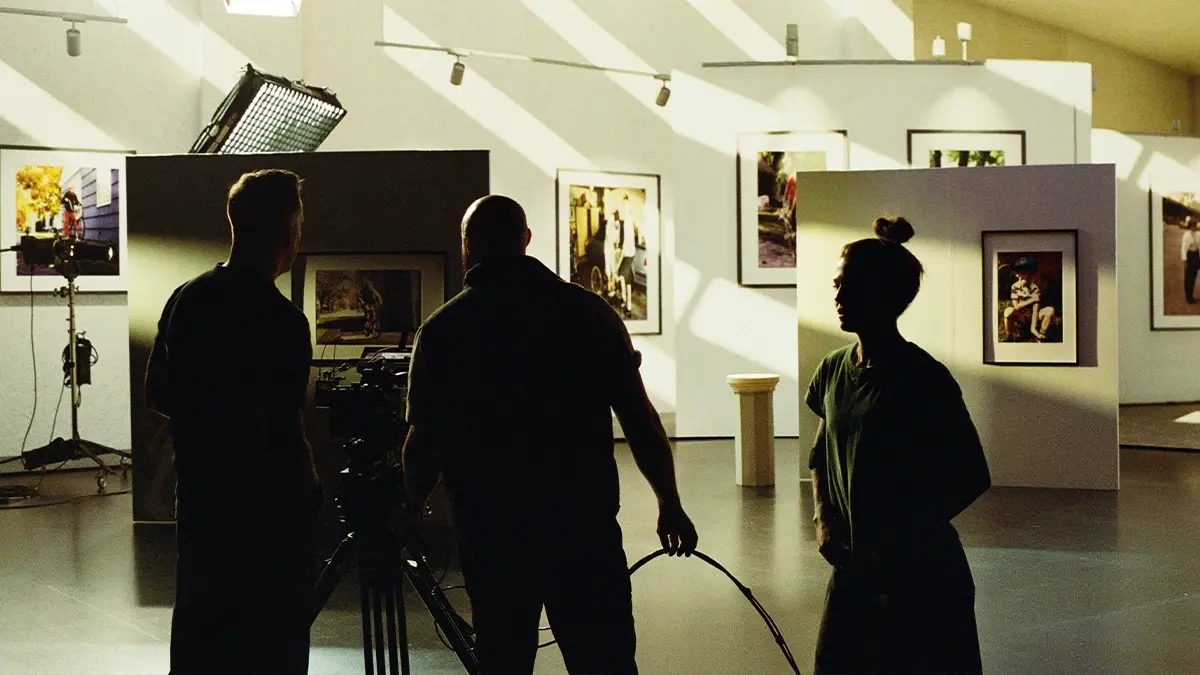
Driving scenes can make a car spot stand out by showing a vehicle in its best light — or add visual movement and action to an otherwise ordinary...
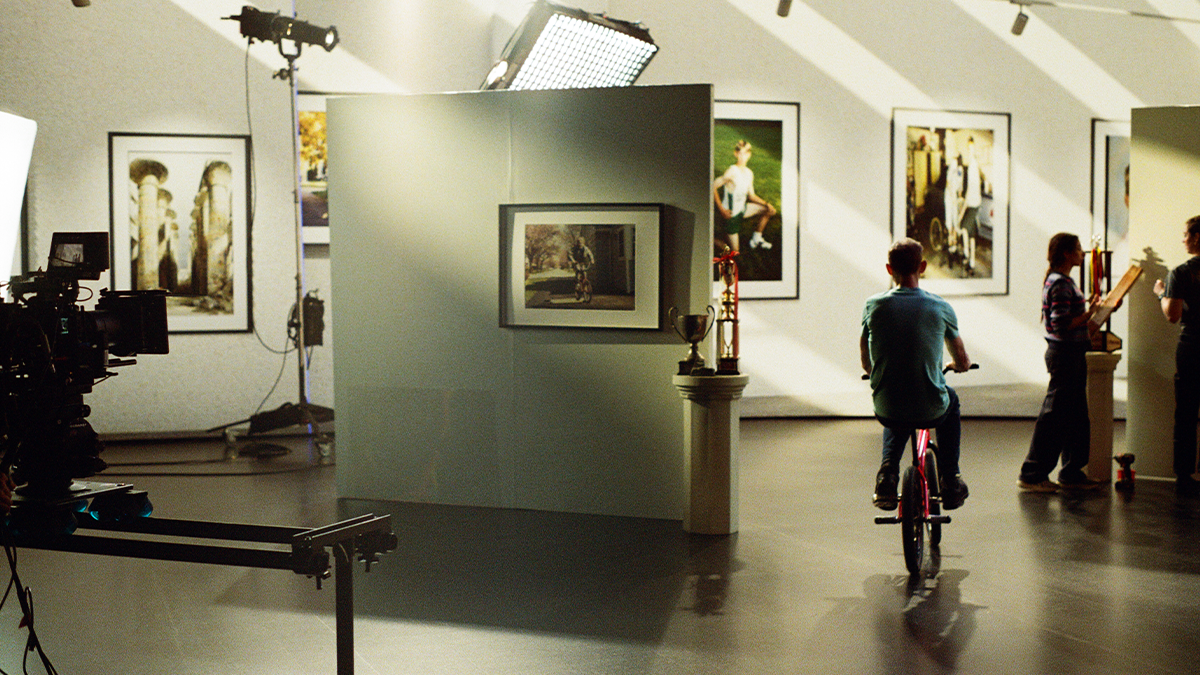
Light-emitting diode (LED) volumes revolutionize what filmmakers can achieve, but this process isn't automatic. The work put in by art directors...
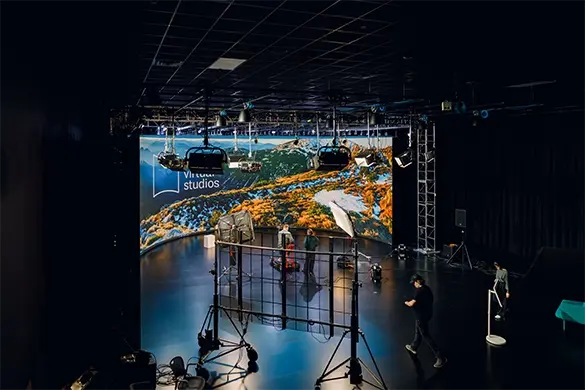
Brands face intense pressure to keep up with always-on social media feeds while differentiating themselves from the competition. Many of these brands...