Driving Plates in Virtual Production: How Car Scenes Get Shot on an LED Wall
Driving scenes can make a car spot stand out by showing a vehicle in its best light — or add visual movement and action to an otherwise ordinary...

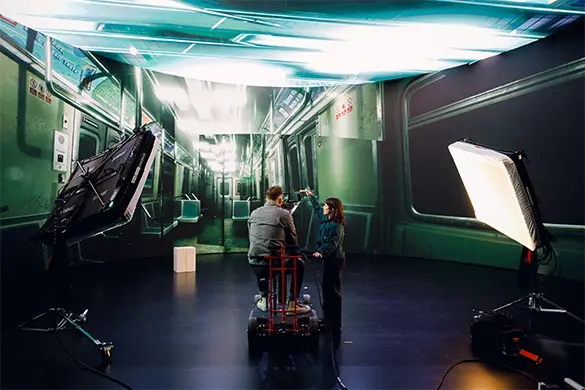
Virtual videography is redefining what’s possible in modern filmmaking. It’s rapidly opening new doors for creators to build immersive, visually stunning worlds without the limits of physical locations.
Yet for many producers and filmmakers, stepping into virtual production can feel daunting at first. The technology, terminology, and new workflows can make the process seem reserved for big-budget studios. But in reality, virtual videography is more accessible than ever, especially with the right guidance and partners by your side.
At Forge Virtual Studios, we’ve seen how quickly teams can build confidence and skills once they understand the fundamentals. By laying a strong foundation, collaborating early, and approaching virtual production one step at a time, creators at any level can make the leap smoothly and discover just how empowering this process can be.
This guide shares practical, experience-based tips to help you navigate that learning curve, streamline your creative process, and delve into this incredible art form.
A successful virtual video production starts long before the first frame is shot. Before diving into advanced techniques, it’s worth finding a virtual production studio you can partner with to help your team master the fundamentals. This early investment of time and guidance pays off in smoother shoots, fewer delays, and stronger creative control.
Once you’ve found the right studio partner, one of the most important early steps in production is pre-visualization. This is when creative ideas take shape. Here, storyboards and technical plans come together to map every shot, from camera tracking to lighting cues. This phase lets you build, test, and refine your virtual environments before you ever step onto the stage, ensuring the technology supports your story, not the other way around.
From there, technical consistency becomes key. Establishing a clear color-space pipeline and blending physical lighting with illumination from the LED wall helps every scene feel cohesive and believable. It’s these behind-the-scenes details that create realism with an LED volume stage.
Finally, collaboration is everything. Bringing your traditional crew and virtual production team together early transforms complexity into creativity. When everyone’s working toward a shared vision, the process feels less like a complicated puzzle and more like a collective act of invention.
After you’ve built your foundation, the next step is learning to make the technology work for you, not the other way around. Virtual production can seem complex, but when the right systems are in sync, the process feels intuitive, creative, and deeply collaborative.
At its core, LED virtual production is about real-time transformation. With the touch of a button, you can shift from golden hour to midnight, from desert dunes to neon skylines. This flexibility comes from real-time rendering, which lets directors and DPs see the final shot unfold live on the LED wall. There’s no waiting for post-production feedback—just instant creative control that keeps momentum flowing and inspiration alive.
Behind that seamless experience are three key technologies working together:
With these systems aligned, your virtual set becomes a living, breathing canvas. But preparation still matters. That’s why early testing is essential. It’s your time to fine-tune color balance, resolve moiré issues, and confirm that digital assets behave as expected on the wall. Whether you’re using 2D plates, 2.5D parallax layers, or full 3D worlds, these rehearsals ensure shoot day runs smoothly and creatively.
At Forge, our virtual production Chicago-based studio team is here to guide filmmakers through the technical complexities so you can create with the confidence that every light, every pixel, and every camera move is working in harmony.
Virtual production transforms the filmmaking process, bending siloed departments into a unified, creative force. The real magic happens when directors, DPs, and VFX artists collaborate live, seeing the same shot unfold in real time and shaping it together.
That kind of synergy doesn’t happen by accident. Instead, it’s built with preparation, open communication, and shared vision. As a producer, fostering that environment is key to keeping your project efficient and inspired.
A successful shoot takes buy-on from the whole team, starting with technical rehearsals. These are essential for aligning creative and technical teams before the pressure of shoot day. Shared storyboards, previs, and centralized communication tools keep everyone on the same page, while open feedback loops ensure small issues are caught early, not on set.
During production, embrace tools that enable real-time rendering and editing. These let your team experiment with lighting, camera moves, or digital assets without interrupting momentum. It’s a workflow that encourages iteration, experimentation, and creative risk-taking, all while keeping tight schedules intact.
Finally comes the smooth handoff to post-production. By standardizing file formats, naming conventions, and utilizing cloud-based storage from the start, you ensure assets are easily accessible and organized for your post-production team.
When you partner with a virtual production company that understands the entire pipeline, you can avoid common roadblocks from pre-visualization to final delivery. At Forge’s Chicago video production studio, we help production teams balance structure, creativity, timing, and budget. By uniting every contributor around the same goal, we turn complex processes into seamless, collaborative workflows that keep your story moving forward.
Once you’re comfortable with the basics, the next step is learning how to work smarter—not harder—inside a virtual production environment. The goal is simple: Keep creativity flowing, reduce friction, and make every decision count toward a smoother, more cinematic end result.
Start by rethinking your shot list. In a virtual world, geography no longer limits you. Instead of organizing by physical location, group shots by virtual environment or lighting setup. This approach keeps your team in rhythm by minimizing load times, reducing asset swaps, and allowing you to tackle the most complex VFX scenes first while energy and focus are highest.
Next, focus on how the physical and digital worlds interact, because that’s where realism lives:
Finally, know when to lean into virtual production’s biggest advantages. Virtual production stages shine in projects that require multiple locations, unpredictable weather, or impossible sets. Being able to control every variable (time of day, reflections, even atmospheric haze) gives you creative freedom and significant cost savings.
LED studio technology powers the stage, but people and partnerships bring the stories to life. Choosing the right partner isn’t just about renting a space or equipment. It’s about finding a team that listens, collaborates, and invests in your creative vision. The right virtual production company becomes an extension of your crew—helping you simplify the complex, prevent surprises, and focus fully on storytelling.
At Forge Virtual Studios, we work alongside our clients from concept to final cut. Our team anticipates challenges before they surface, offering proactive solutions that keep productions moving smoothly and on schedule. Through expertise, transparency, and trust, we aim to be an indispensable asset to all of our production partners.
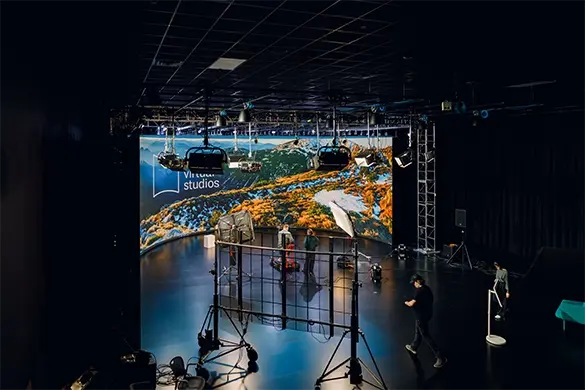
The technology at a virtual production studio matters, of course, but it’s how you use it that counts. With Forge’s 82-foot LED volume wall and Unreal Engine–powered environments, you can transport audiences anywhere, achieving cinematic scale with precision and efficiency. We pair that capability with hands-on guidance, ensuring your team feels supported, not overwhelmed, at every step.
Virtual videography is more than a new tool. It’s essentially a new language for storytelling. And like any language, mastery comes with curiosity, collaboration, and the right guidance.
As we’ve seen, success begins with a solid foundation in the basics, followed by thoughtful integration of advanced tools and technologies. But the real magic happens when teams collaborate seamlessly and directors, producers, and technicians work together to turn complex systems into effortless creativity.
By optimizing your workflows and aligning your teams, you’ll gain the ultimate advantage: more time for creativity, less friction in production, and results that feel cinematic from the very first frame.
Forge’s virtual production studios make that process not only possible but inspiring. Our mission is to help creators overcome the learning curve, accelerate innovation, and harness virtual production as a natural extension of their imagination.
Partner with Forge Virtual Studios and discover how our collaborative approach makes virtual videography mastery achievable.

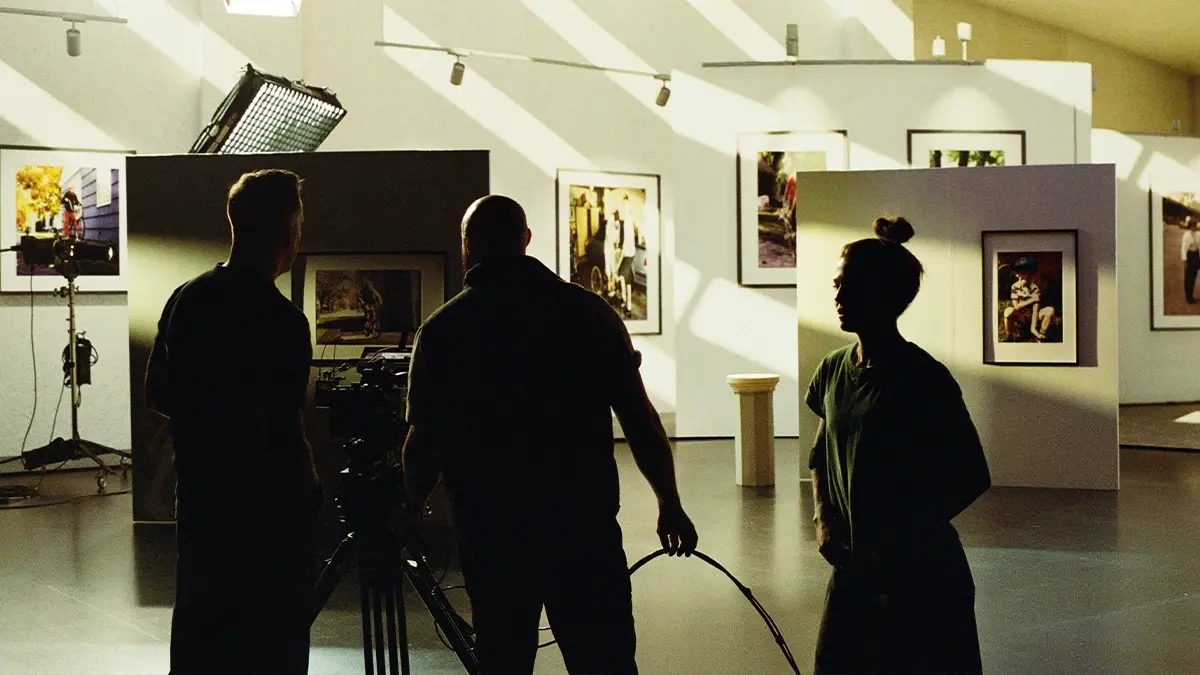
Driving scenes can make a car spot stand out by showing a vehicle in its best light — or add visual movement and action to an otherwise ordinary...
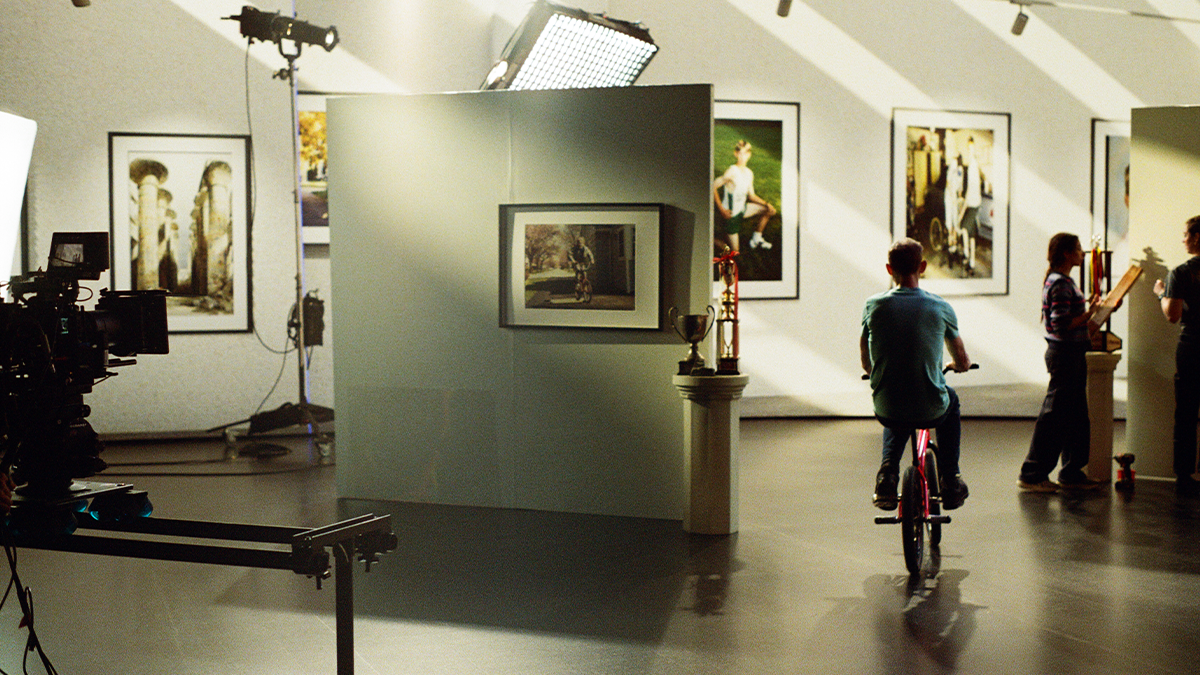
Light-emitting diode (LED) volumes revolutionize what filmmakers can achieve, but this process isn't automatic. The work put in by art directors...
Brands face intense pressure to keep up with always-on social media feeds while differentiating themselves from the competition. Many of these brands...